A collector's reference cataloging historical typewriter brands and models from around the world.
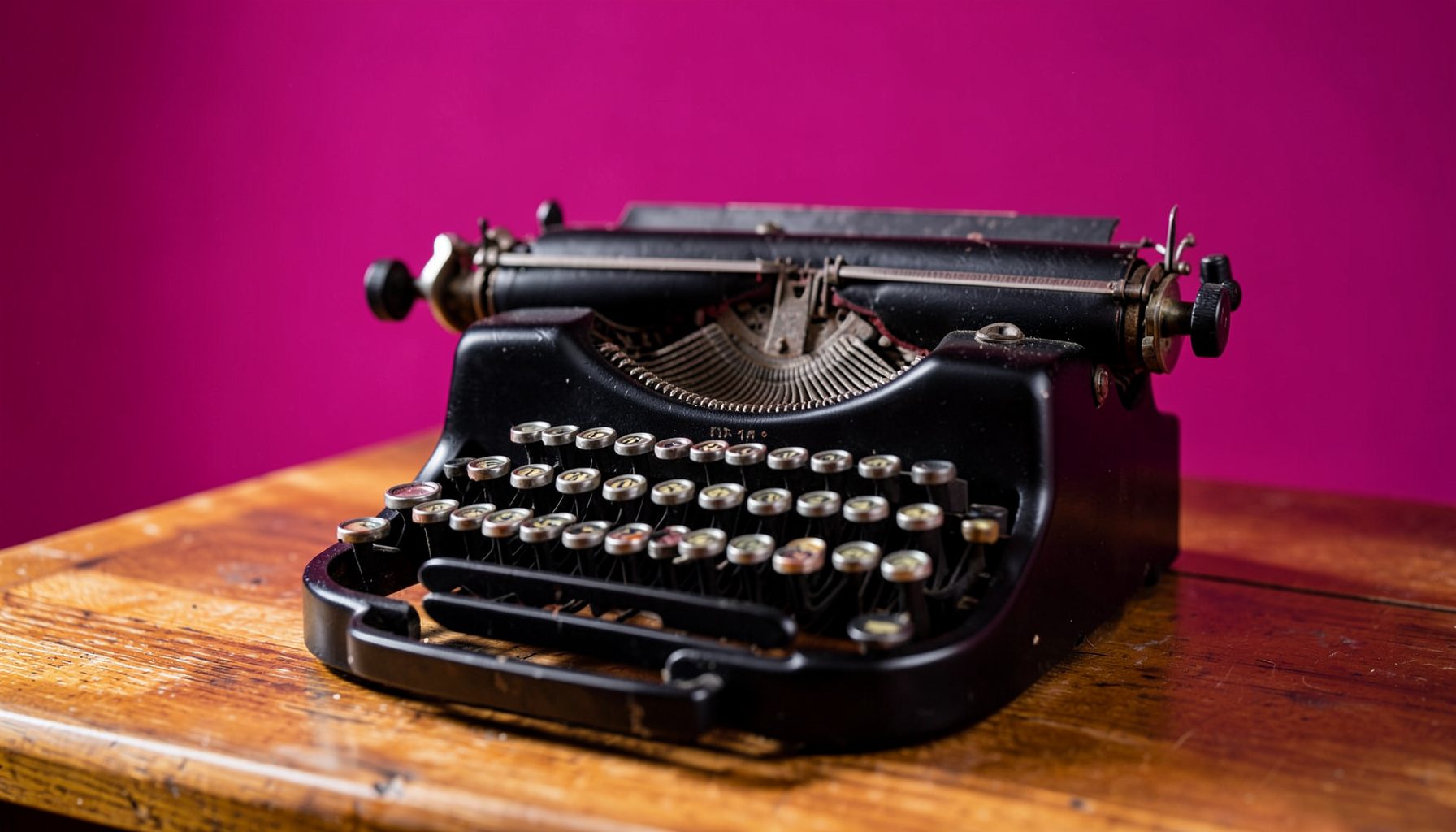
About the Collection
Typewriter House Collector is an informational archive dedicated to vintage and antique typewriters. The collection spans numerous international manufacturers, from well-known names like Adler, Corona, and Hermes to rare and obscure brands that shaped the history of mechanical writing.
Browse the alphabetical brand index to explore individual manufacturers and their models. Each entry documents a piece of typewriter heritage, reflecting the craftsmanship and industrial design of its era.
Typewriter Brands Index
An alphabetical directory of manufacturers represented in the archive. Select a brand to learn more.
- Adler
- American
- Anderson Shorthand
- Andina
- Automatic
- Bambino
- Bar-Let
- Bar-Lock
- Belka
- Bennett
- Bijou
- Bing
- Blickensderfer
- Blinden
- Blista
- Brooks
- Burroughs
- Caligraph
- Carmen
- Carissima
- Champion
- Chicago
- Columbia Bar-Lock
- Columbia Index
- Comercial Visible
- Continental
- Corona
- Correspondent
- Courier
- Crandall
- Crown
- Daugherty
- Dart
- Demountable
- Densmore
- Dial
- Diamant
- Discret
- Draper
- Edelman
- Edison Mimeograph
- Edland
- Ecole Pigier
- Elliot-Fischer
- Emerson
- Empire
- Erika
- Exact
- Fitch British
- Ford
- Fox
- Franklin
- Frister & Rossman
- Geniatus
- Graphic
- Granville Automatic
- Gritzner
- Groma
- Gundka
- Hall
- Hall Braille
- Hammond
- Hammonia
- Hartford
- Heady
- Helios
- Hermes
- Hogar
- Iberia
- Ideal
- Imperial
- Ingersoll
- International
- Jackson
- Januy Braille Writer
- Japy
- Jewett
- Junior
- Junior Toy
- Kanzler
- Karli
- Kappel
- Kee-Lox Electric
- Keaton
- Keystone
- Klein-Adler
- Lambert
- L.C. Smith
- Leframa
- Liliput
- Lord Baltimore
- Macy's
- Malling Hansen Skrivekugle
- Malling Hansen Replica Map
- Manhattan
- Matrix
- Mercedes
- Merrit
- Merz
- Mentor
- Meteor
- Mignon
- Molle
- Monica
- Monopol-Stolzenberg
- Monpti
- Morris
- Moya
- Visible
- Muson
- National 1889
- National
- Nema
- New America
Restaurar un mueble portátil con ruedas para máquina de escribir
Un mueble portátil con ruedas para máquina de escribir es una pieza que reúne la utilidad de un carro móvil y el carácter de un mueble histórico. Puede haber sido diseñado como soporte de trabajo, cajonera auxiliar, mesa auxiliar o expositor. Su valor reside tanto en su función como en los detalles que muestran su fabricación: la madera, las uniones, la tornillería, el tratamiento de las superficies y el tipo de rodízuelos empleados.
Restaurar este conjunto exige combinar la conservación del mueble con el cuidado de la máquina. El aparato puede desmontarse para limpiar el compartimento y ganar acceso a mecanismos que normalmente quedan ocultos. El soporte, por su parte, necesita recibir una reparación que conserve su aspecto y garantice estabilidad. Un resultado demasiado nuevo puede borrar huellas útiles, mientras que una intervención descuidada puede reducir su autenticidad.
El proceso más seguro comienza con un inventario y termina con pruebas de carga y desplazamiento. Cada cambio debe justificarse a partir del estado encontrado. Las piezas desmontables se identifican, los materiales se examinan antes de tratar y las soluciones experimentales se prueba en zonas ocultas. Este métodoSlowly permite recuperar el mueble sin convertirlo en una réplica reciente ni poner en riesgo la máquina que alojará.
Diagnóstico antes de desmontar
Conviene photographiar el conjunto completo antes de moverlo. Las vistas frontal, posterior, lateral e inferior revelan deformaciones,修补 and disparities that may disappear once the typewriter is removed. Anota las medidas del tablero, la altura del compartimento, la separación entre los ejes de las ruedas y cualquier número, sello o marca de fabricante. Esta documentación facilita después reconstruir el montaje y valorar el mueble con precisión.
Hay que distinguir entre desgaste normal y avería. Una rueda que gira de forma irregular puede tener un eje doblado, un rodamiento castigado o un soporte deformado. La madera hendida junto a una pata exigeStrengthening del anclaje, no un simple lijado. Las manchas de humedad, pintura levantada, óxido y compartimentos con plywood despegado requieren tratamientos diferentes. Los herrajes flojos también pueden ser una señal de uniones debilitadas por la edad.
Antes de comprar piezas o aplicar productos, comprueba que el problema no proceda de la propia distribución de las cargas. Un centro de gravedad demasiado alto explica que el carro vuelque al girar. Si las ruedas tienen diámetros distintos, el mueble puede depender y forzar los herrajes. Retira la máquina, vacía los cajones y prueba el chasis sobre el suelo. Anotar cómo se comporta sin el aparato ayuda a separar los defectos del mueble de los relacionados con el peso o con su base.
Desmontaje, limpieza y preparación del chassis
La desmontación debe seguir un orden que reduzca el riesgo de无损ar las piezas. Fotografía cables, gomas, cerraduras y separadores antes de extraerlos. Envuelve la tornillería pequeña en bolsas y etiqueta cada bolsa según el lugar de procedencia. Las piezas repetidas, como las arandelas de una bisagra, pueden parecer intercambiables y causar errores durante el montaje. Conserva también los tapones, cuñas y topes originales aunque parezcan inservibles.
La limpieza inicial se realiza conmethods poco abrasivos. Utiliza un pincel suave, una Cepillo de cerdas cortas y aire comprimido a presión moderada para retirar el polvo acumulado. Las superficies de madera se humedecen únicamente con un paño bien escurrido. Evita remojar cajones o componentes de madera maciza, porque la humedad puede levantar la veneer, manchar las fibras o aumentar las juntas. Las piezas metálicas se cepillan aparte, sin mezclar sus residuos con la madera.
Al limpiar el interior, comprueba que no haya residuos de aceite, cinta de escribir ni material corrosivo. Si aparece óxido pulverulento,照片 it and determine whether it has reached the metal or remains as surface residue. Los métodos y materiales descritos en la restauración de la Olivetti ofrecen un contexto útil para separar el cuidado de la máquina de las reparaciones del soporte. La madera puede recibir una limpieza suave mientras el aparato requiere un tratamiento técnico mucho más preciso.
Reparación de madera, chapa y acabados
Las中小企业 structural repairs begin with joints. Loose tenons can be reglued with a reversible animal or hide glue after the old adhesive has been removed carefully. Dowels that no longer hold need replacement with wood of similar density and diameter. For MDF or plywood components, use a compatible repair filler and reinforce weakened edges with thin wood strips. Do not fill large gaps with ordinary body filler; that creates a hard, brittle repair that may crack around the joint.
Las láminas vencidas se pueden volver a fijar con性和 heat? Spanish. "con calor controlado y adhesivo suitable" maybe. Use cyanoacrylate? Better "adhesivo de contacto" or animal glue. Keep away heat-sensitive finishes. Clamp with padded blocks to avoid marks. For small losses, choose a patch cut from an inconspicuous area or from similar offcuts, rather than substituting visibly different wood. Document any added piece so its presence is clear to future conservators.
The metal components require restraint. Remove loose rust with a nylon abrasive tool or very fine brass brush, then apply a corrosion inhibitor before the surface coating. Screws and bolts can often be conserved in place, but deeply pitted fasteners may need replacement. Reproduce the original thread, head shape and finish where possible. Wax can protect clean steel and bronze without creating a thick coating that hides tool marks. Different treatments for these materials can be compared with ideas de restauración, where material choices are more important than simply making every surface appear new.
Ruedas, rodízuelos y sistema de desplazamiento
Las ruedas deserve a detailed inspection. Remove accumulated hair, adhesive and dirt between the tire and the hub. Rubber tires that have hardened can be cleaned and retained, while cracked or deformed examples require a suitable replacement of the same diameter and width. Metal wheels may have ball bearings, plain bushings or a simple pin-and-disc construction. Do not flood the assembly with oil; a small quantity of appropriate lubricant at the bearing is usually sufficient.
Los rodízuelos desmontables deben montar con su eje en posición y con topes que limiten el juego lateral. If the swivel plate is bent, reshape it only after removing the attached parts and checking that the wheel can rotate without touching the bracket. Tighten the axle according to the design rather than forcing every fastener to the same torque. Excessive pressure can flatten a tire or damage a small bearing, while a loose axle produces vibration and repeated loosening.
La sustitución no siempre resulta necesaria. A caster with a sound tire, clean race and straight mounting plate can often be rehabilitated. When replacement is unavoidable, match the mounting holes, overall height, wheel diameter and swivel direction. Check whether the original system uses locking devices or brakes. A mobile furniture piece may require different behavior when it is being used and when it is being stored, and the wheels must remain stable when carrying the typewriter.
Reconstrucción de cajones, tablero y herrajes
Los cajones deserve attention because their runners often reveal how the piece was used. Remove the bottoms only when they are split or badly warped. Preserve sound plywood panels and secure them with small screws or discreet wooden strips. Sliding guides should be cleaned, straightened and lightly waxed. If they are missing, reproduce their position and dimensions rather than forcing a modern rail into the original grooves.
The interior layout may have accommodated ribbons, carbon paper, spare ribbons, oil cans or cleaning brushes. Use the empty compartments to understand the original arrangement. The typewriter's clearance, the width of its carriage and the necessary space for covers can confirm which compartment was intended for the machine. Do not cut new openings solely to improve convenience; a change in the furniture's proportions can erase evidence of its historical function.
Small hardware often carries more historical information than the large components. Keep original latches, escutcheons, hinges and catches whenever they can function safely. Replacement screws should match the diameter and thread, although the patina may differ. For cataloging and comparative research, catálogos y referencias can help identify machine types and period details. Such information is particularly valuable when deciding whether an unusual feature was original or the result of an earlier repair.
Acabado, montaje final y pruebas de uso
Before applying a protective finish, allow every repaired joint and cleaned surface to dry completely. Choose products according to the existing coating: a penetrating oil may be appropriate for unfinished wood, while an old varnished or painted surface may only need gentle cleaning. Test water-based and oil-based products on an hidden area and observe their color, sheen and drying behavior. A satin finish is usually easier to maintain than a high-gloss imitation, but preserving the original appearance takes precedence over personal preference.
Mount the wheels with their correct orientation and fit the upper structure without forcing the joints. Reinstall drawers, guides, stops and catches, then tighten fasteners gradually. The typewriter should rest securely without pressing against a drawer, cable or projecting screw. Leave enough room to remove the machine without dragging its carriage across the wood. A fitted cover or retaining strap can protect the apparatus during transport, provided that it does not strain the original hardware.
Perform the final tests with the typewriter installed and with the drawers loaded as they would be in normal use. Push the furniture across a level floor, turn it carefully and test the stopping behavior of the wheels. Listen for scraping, check whether the structure rocks and observe whether the machine remains stable when its carriage reaches either end. Historical context about máquinas de doble rodillo helps explain the bulk and movement of some period machines, which must be considered when setting the support's height and load distribution.
Document the completed restoration with photographs and a list of interventions. Record the products used, replaced parts and original features that were retained. A discreet label can identify the piece without altering its appearance, while a file preserves technical information for future care. The restored mobile support will then fulfill its original purpose: hold the typewriter securely, provide access to its accessories and allow the complete ensemble to be moved without sacrificing stability or historical character.